
CFOs face a perfect storm. Auditors demand granular fund tracking. Investors want real-time insights into cash positions. Market volatility makes accurate forecasting critical for survival.
Yet most treasury workflows are stuck in the past. Spreadsheets, manual reconciliation, and fragmented systems create dangerous blind spots exactly when visibility matters most. The old playbook of “close the books and hope for the best” doesn’t cut it when boards need answers in real time. Organizations face significant challenges in achieving real-time cash visibility, including issues with data accuracy, system integration, and effective collaboration across departments.
Modern treasury operations require infrastructure that matches the speed of business decisions. For a company or organization, having central visibility and control over cash across all accounts is essential for effective risk management and decision-making. Here’s how embedded ledgers and unified payment platforms are transforming cash visibility from a monthly chore into a competitive advantage.
Why CFOs Are Under Unprecedented Pressure
The expectations placed on finance leaders have fundamentally shifted. What used to be quarterly reporting cycles now demand real-time insights.
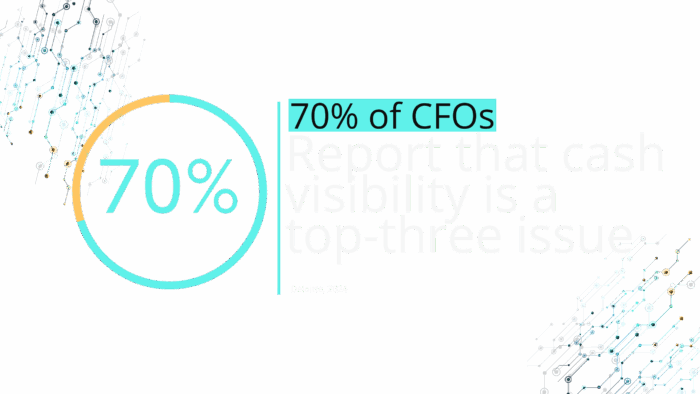
Audit requirements have intensified.
Regulators want to see the money trail for every transaction, not just summary reports. This means CFOs need granular visibility into fund movements, client balances, and payment flows. This is data that traditional systems struggle to provide in audit-ready formats.
Investor demands for transparency continue growing.
Private equity firms and public market investors expect detailed cash flow analysis, burn rate projections, and working capital optimization reports. They want to understand not just where money went, but how efficiently it moved through the business, and how cash visibility impacts the overall financial health of the organization.
Market volatility makes forecasting critical.
Economic uncertainty means CFOs can’t rely on historical patterns. They need real-time data, including up-to-date sales figures, to model cash flow scenarios, adjust spending priorities, and maintain adequate liquidity buffers. A week-old cash position report isn’t enough when market conditions change by the hour.
These pressures converge on a single point: finance teams need infrastructure that provides complete visibility into every dollar, in real time, with audit-ready documentation. CFOs must focus on optimizing cash visibility and management as a strategic priority to strengthen liquidity and support the ongoing health of the organization.
The Data Gap in Legacy Treasury Workflows
Most finance operations rely on systems that weren’t designed for modern reporting requirements. Traditional cash management systems often struggle to provide integrated, real-time reporting and forecasting, making it difficult for finance teams to track and manage cash positions effectively. The typical treasury workflow involves multiple vendors, manual data reconciliation, and significant lag time between transaction execution and financial reporting.
Fragmented payment rails create reconciliation nightmares.
Companies typically manage ACH through one provider, wire transfers through another, and card payments through a third. Different payment processors contribute to data silos, as each system has its own reporting format, settlement timing, and data structure. Finance teams spend hours stitching together transaction data just to understand basic cash flow.
Manual processes introduce errors and delays.
Spreadsheet-based reconciliation might work for simple operations, but it breaks down when transaction volumes scale. A single keying error can throw off entire balance sheets, and finding these errors often takes days of forensic accounting.
Legacy banking systems provide limited real-time visibility.
Traditional bank feeds update once daily at best. By the time finance teams see transaction data, business decisions have already been made with incomplete information.
Client fund segregation becomes operationally complex.
Companies handling client funds – from property management to payment facilitators – need granular tracking of whose money is where. Legacy systems make this visibility nearly impossible without extensive manual tracking.
These gaps compound over time. What starts as minor reconciliation delays evolves into significant operational risk when boards demand immediate answers about cash positions or regulatory compliance. Through the implementation of modern systems and processes, organizations can achieve substantial improvements in transparency, efficiency, and overall cash management.
How Embedded Ledgers Transform Real-Time Cash Visibility
Modern financial infrastructure takes a different approach. Instead of bolting reporting onto existing payment systems, a combination of embedded ledgers and unified payment platforms is key to achieving comprehensive cash visibility. Embedded ledgers integrate transaction processing with real-time fund tracking from the ground up.
Real-time transaction recording eliminates reconciliation lag.
When payments, card transactions, and fund movements all flow through a unified ledger system, balance updates happen instantly. These technologies are enabling organizations to obtain real-time insights into their cash positions. Finance teams see cash positions as they change, not days later through batch processing.
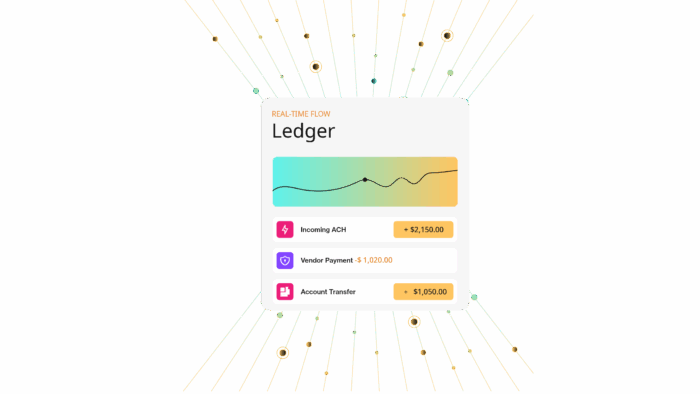
Automated fund segregation provides granular visibility.
Embedded ledgers can segment funds by client, project, or business unit automatically. This means CFOs can answer questions like “how much client money do we hold?” or “what’s our available operating cash?” without manual calculation.
Unified reporting across all payment types.
When ACH, wire, RTP, and card transactions all flow through the same system, finance teams get consistent reporting formats and real-time visibility into all money movement. No more waiting for different vendors to provide compatible data exports.
Audit-ready documentation by design.
Every transaction creates a complete audit trail with timestamp, authorization details, and fund source tracking. This documentation meets regulatory requirements without additional manual processes.
The shift from fragmented systems to embedded ledgers represents more than operational efficiency – it’s about transforming cash management from a reactive process into a strategic capability. This solution streamlines cash management and provides organizations with a unified approach. By implementing this solution, organizations can yield measurable benefits such as improved liquidity, reduced risk, and enhanced decision-making.
Platform Data and Payment Rails Enable Better Forecasting
Cash flow forecasting becomes significantly more accurate when finance teams have complete visibility into pending transactions, processing timelines, and historical patterns across all payment types. Finance teams analyze historical transaction data to improve forecasting accuracy and optimize cash management.
Real-time pending transaction visibility improves short-term forecasting.
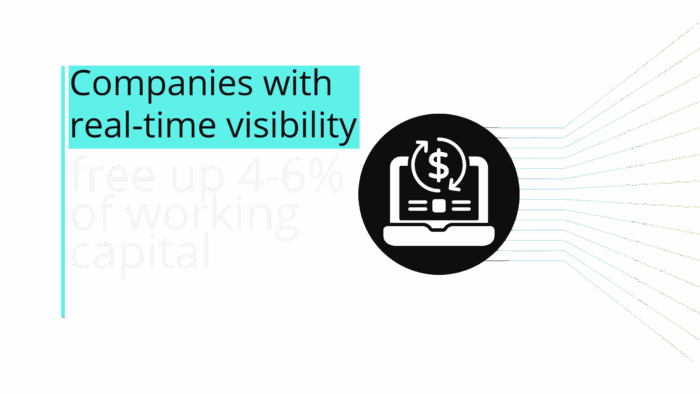
Traditional banking systems don’t show ACH transactions until they settle, creating gaps in cash flow projections. Platforms with embedded payment processing provide visibility into pending transactions, expected settlement dates, and potential holds or rejections.
Historical transaction data enables pattern recognition.
When all payment types flow through a unified system, finance teams can identify seasonal patterns, client payment behaviors, and operational trends that improve forecasting accuracy. This data becomes especially valuable for businesses with complex payment flows or multiple revenue streams.
Automated scenario modeling based on real data.
Modern platforms can model cash flow scenarios using actual transaction patterns rather than manual assumptions. This helps CFOs stress-test liquidity under different market conditions or business growth scenarios, relying on accurate, real-time data for dependable forecasts.
Integration with existing financial planning tools.
Rather than replacing existing ERP or financial planning systems, modern payment platforms can feed real-time data into established workflows. Having identified the right data sources is crucial for accurate forecasting. This preserves existing reporting processes while dramatically improving data quality and timeliness.
The key insight: better forecasting doesn’t require completely new processes, just better data delivered in real time. Collaboration among different teams, such as finance, treasury, and sales, is essential to ensure comprehensive and accurate cash forecasting.
Qolo’s Approach to Making Cash Data Actionable
At Qolo, we’ve seen how fragmented payment systems create operational headaches for finance teams. Our approach centers on the Quantum Ledger, delivering benefits such as increased efficiency, risk reduction, and improved operational performance. An embedded, real-time ledger that connects directly with payment rails, card networks, and banking systems.

Unified transaction tracking across payment rails.
Whether funds move via ACH, wire, RTP, or card transaction, every movement gets recorded in real time with complete audit trail documentation. Finance teams gain greater control over treasury processes and data, seeing all money movement in a single interface rather than logging into multiple vendor portals. This also enhances the experience for customers by streamlining payment processes and ensuring secure, seamless transactions.
Granular fund segmentation and client tracking.
The platform automatically segregates funds by client, project, or business unit based on configurable rules. This means CFOs can instantly answer questions about client fund balances, available operating cash, or regulatory capital requirements.
Real-time reporting and automated reconciliation.
Balance sheets, cash flow statements, and compliance reports generate automatically from live transaction data. Manual reconciliation becomes unnecessary because all systems work from the same source of truth, helping businesses save time by automating manual processes.
API-first architecture for seamless integration.
Rather than replacing existing financial systems, Qolo acts as a partner to organizations, supporting seamless integration with established ERP, accounting, and reporting tools. This preserves existing workflows while dramatically improving data quality and timeliness through integrated service and services.
The result: finance teams spend less time gathering data and more time analyzing insights that drive business decisions, delivering greater value to organizations through improved cash visibility and operational efficiency.
Best Practices for Achieving Cash Visibility
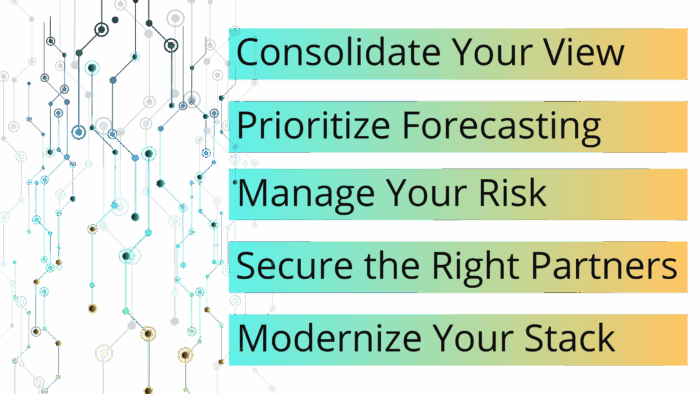
Achieving complete cash visibility requires a strategic approach that combines technology, process optimization, and strong partnerships. One of the most effective best practices is to implement a cash management system that consolidates data from multiple bank accounts and financial systems, providing a unified, real-time view of the organization’s cash position. This integration eliminates data silos and ensures that all teams are working from the same accurate financial data.
Another essential practice is to prioritize cash forecasting. By analyzing historical data and projecting future cash flows, organizations can anticipate potential cash shortages or surpluses and make proactive, informed decisions. Accurate cash forecasting enables companies to optimize their use of cash, whether that means investing excess funds, securing additional funding, or adjusting operational strategies to support business growth.
Security and compliance are also critical. Organizations must ensure that sensitive financial data is protected at every stage, from bank connectivity to internal reporting. This includes implementing robust security protocols and regularly reviewing processes to maintain compliance with industry standards and regulations.
Building strong relationships with banks and technology providers is key to supporting seamless bank connectivity and access to innovative cash management solutions. By partnering with trusted providers, companies can leverage the latest technologies to enhance efficiency, reduce costs, and improve the effectiveness of their financial operations.
Finally, continuous monitoring and regular analysis of cash positions are vital for maintaining optimal cash visibility. Organizations should routinely evaluate and refine their cash management processes, embracing new solutions and best practices as they emerge. By focusing on integration, forecasting, security, and ongoing improvement, companies can ensure their cash management strategies are resilient, efficient, and aligned with their long-term business objectives.
Transform Your Cash Visibility Strategy
Cash visibility has evolved from a back-office function to a strategic capability. CFOs who recognize this shift and invest in modern financial infrastructure will have significant advantages in raising capital, managing risk, and scaling operations.
For example, a global retailer improved its cash visibility and decision-making by implementing a unified payment platform, enabling real-time access to cash positions across all subsidiaries.
The path forward involves three key steps: audit your current cash visibility gaps, evaluate unified payment platforms that provide real-time reporting, and implement infrastructure that grows with your business rather than constraining it.
Your board expects answers about cash positions in real time. Make sure your financial infrastructure can deliver them.
Ready to transform your cash visibility? Talk to our team about how Qolo’s unified platform can eliminate data gaps and provide the real-time insights your business needs.